

Name: Mohd Ariff Bin Khaled
Cohort: BP106
Location: Malaysia
Pharmacy initially appealed to Mohd Ariff for a fairly straightforward reason: career opportunities. As he considered his options after school, he saw Pharmacy as a profession with promising prospects in both the public and private sectors. What he did not yet realise was just how many different directions the profession could take him, or how much of his eventual career would extend beyond the familiar settings of hospital and community pharmacy.
At the time, Pharmacy stood out as a field with promising employment prospects, offering career opportunities across both the public and private sectors. What he perhaps did not anticipate was just how broad the profession would turn out to be, or how far his career would eventually take him beyond the more familiar settings of hospital and community pharmacy.
Today, his professional experience spans several areas of pharmacy, including regulatory affairs, enforcement, public relations, Good Manufacturing Practice (GMP), Good Distribution Practice (GDP) and post-marketing surveillance. His work has given him an appreciation of the many processes involved in ensuring that medicines and notified cosmetics meet the necessary standards of quality, safety and efficacy.
Looking back, his journey began with a challenging but formative period at IMU, where he developed not only his pharmaceutical knowledge but also the foundations of a professional skill that would prove particularly important throughout his career: the ability to learn, communicate and work with others.
A Challenging but Formative Start at IMU
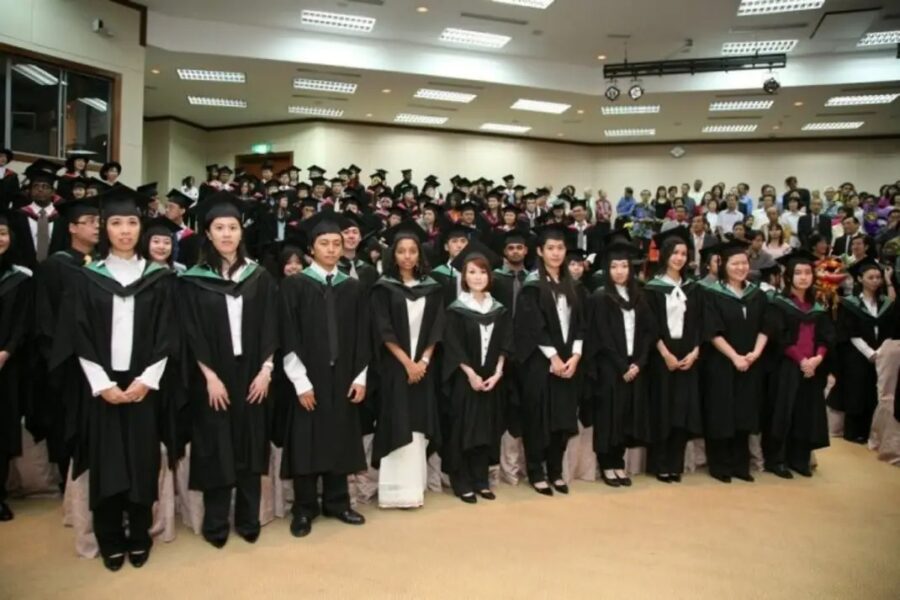
Ariff remembers his Bachelor of Pharmacy experience at IMU as exceptionally challenging. The programme was tightly scheduled, and mastering the different modules required considerable effort and discipline. It pushed him out of his comfort zone and taught him to manage the demands of a rigorous academic programme.
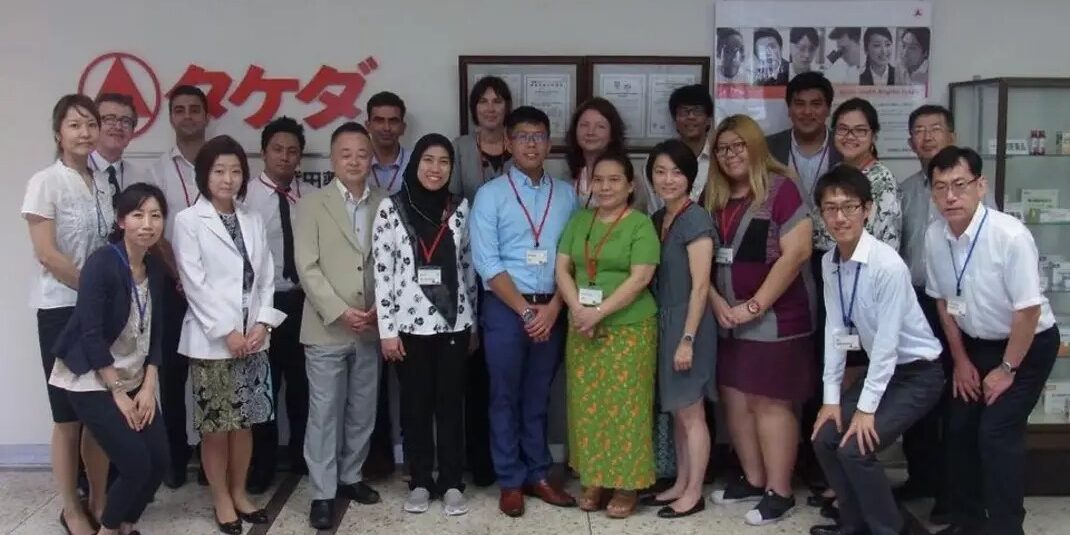
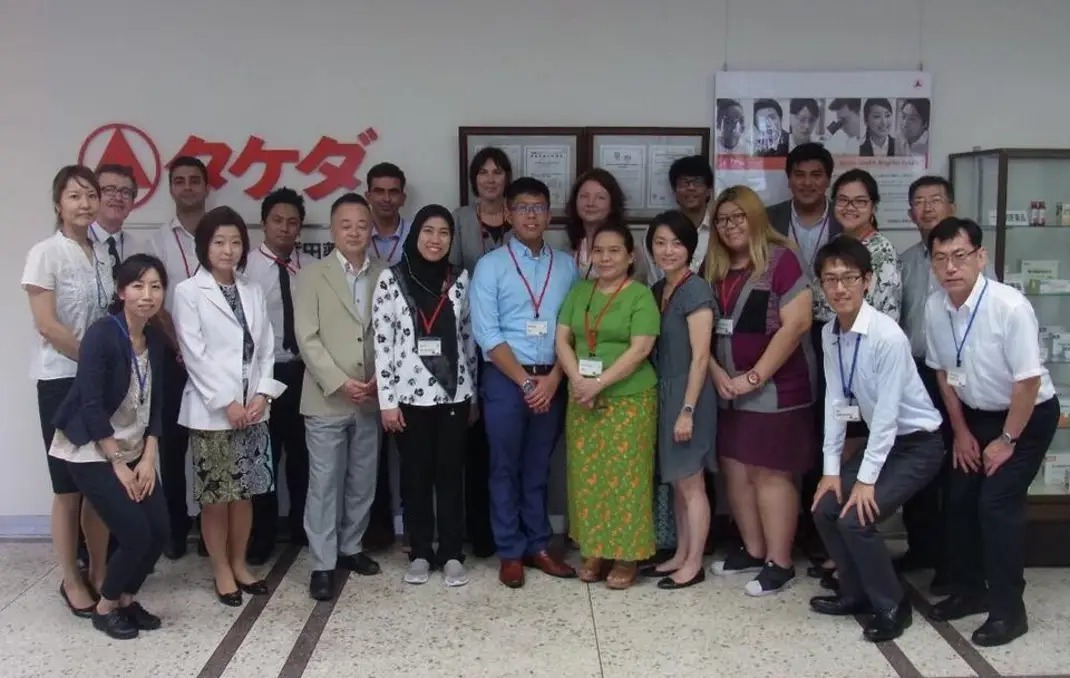
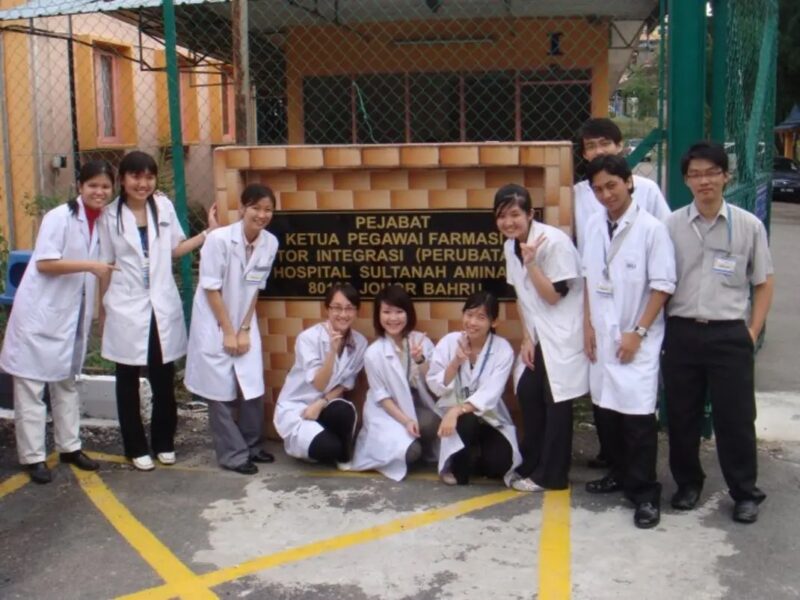
Among his most memorable experiences were the practical attachments to public health and industrial facilities. These placements allowed him to move beyond theoretical learning and gain first-hand exposure to different aspects of pharmacy practice. They also gave him an early indication that the profession extended into areas he had not necessarily considered when he first enrolled.
Two lecturers, in particular, left a lasting impression on him. Dr Nyunt Wai, his final-year research project supervisor, was a constant source of encouragement throughout the research process. Ariff appreciated the motivation and guidance that helped him see the project through to completion. He also remembers Mr Keivan Ahmadi, who supported him during his Objective Structured Clinical Examinations (OSCEs) and clinical attachments. His encouragement helped Ariff remain positive and approach challenging situations with greater confidence.
These experiences were important parts of his time at IMU, not only because of the knowledge he acquired, but also because of the people who encouraged him along the way.
An Early Introduction to Research and Scientific Integrity
Research was another important part of Ariff’s undergraduate experience at IMU.
During his studies, he co-authored a research paper examining whether drinking coffee could influence routine blood pressure measurements. He was particularly drawn to the subject and welcomed the opportunity to explore the question through a structured clinical trial.
The project introduced him to the practical considerations involved in conducting clinical research, including the importance of maintaining research integrity through a double-blind, randomised trial design.
It was an experience that gave him an early appreciation of how research questions are translated into structured investigations, and why scientific rigour matters when interpreting findings.
Although his subsequent career developed in areas beyond conventional research, the experience provided a foundation for understanding the importance of evidence and accuracy in healthcare.
Discovering the Many Dimensions of Pharmacy
One of the biggest changes in Ariff’s understanding of pharmacy came after entering professional practice.
As a student, his exposure to the profession had largely been through the more familiar areas of hospital and community pharmacy. His subsequent experiences within the Ministry of Health’s Pharmacy Programme introduced him to a much wider range of responsibilities.
These included law enforcement, public relations and pharmaceutical regulatory activities involving GMP, GDP and post-marketing surveillance. He began to appreciate that pharmacists could contribute to healthcare in ways that did not necessarily involve direct patient interactions. Some work takes place much further behind the scenes, involving regulatory oversight, inspections and processes that help ensure medicines meet the required standards before and after reaching the market.
For Ariff, this broadened understanding of the profession was particularly important. It showed him how pharmacists could apply their technical knowledge and professional training across different areas of the healthcare system. It also taught him something he had not fully appreciated as a student: technical knowledge alone is not enough to succeed in the profession.
Effective communication and interpersonal skills, he found, played a significant role throughout his career.
Safeguarding Medicine Quality Beyond Manufacturing
An area that has featured prominently in Ariff’s professional work is the quality and integrity of medicines during storage, transportation and distribution. His name is included in the editorial committee of Malaysia’s Good Distribution Practice guideline, reflecting his involvement in work relating to pharmaceutical distribution standards.
While medicine quality is often associated with the manufacturing process, Ariff highlights that the conditions under which medicines are subsequently stored, transported and distributed are equally important.
Factors such as ambient temperature and relative humidity can affect the quality of pharmaceutical products. For medicines that require controlled temperatures, maintaining the integrity of the cold chain throughout transportation and distribution is particularly important.
These considerations are central to Good Distribution Practice, which focuses on ensuring that medicines are handled and distributed appropriately so that their quality is maintained until they reach the end user.
It is a responsibility that may not always be apparent to patients, but it plays an important role in safeguarding the medicines they depend on.
Through his work and involvement in regulatory activities, Ariff has developed a deeper appreciation of the systems and standards needed to protect medicine quality beyond the manufacturing stage.
A Role in Protecting Public Health
For Ariff, one of the most rewarding aspects of his professional work is being able to contribute to the safety, efficacy and quality of registered medicines and notified cosmetics.
His involvement in Good Manufacturing Practice and Good Distribution Practice inspections, together with post-marketing surveillance activities, forms part of the wider effort to ensure that products available to the public continue to meet the necessary requirements.
Post-marketing surveillance is particularly important because regulatory oversight does not end once a product has been registered or introduced into the market. Continued monitoring and appropriate regulatory action help identify and address concerns that may emerge during its use or distribution.
It is this broader responsibility that gives his work its significance.
Although the results may not always be immediately visible to patients, the processes involved contribute to public confidence in medicines and the healthcare products available to them.
His experience also highlights how pharmacists can play an important role in protecting public health through regulatory responsibilities, professional oversight and collaboration with different stakeholders.
Learning That Communication Matters as Much as Technical Knowledge
One of the more candid aspects of Ariff’s reflections concerns a skill he initially found difficult to develop: effective communication.
He describes himself as naturally more hands-on, someone who was comfortable with practical and technical work. However, his professional experience gradually taught him that technical expertise alone could not carry him through every situation.
Working in the pharmaceutical regulatory environment meant engaging with people who often had different levels of understanding and different perspectives on the safety, quality and efficacy of registered medicines and notified cosmetics.
Explaining regulatory requirements, discussing technical matters and working through differing interpretations required more than simply knowing the relevant standards. It required the ability to communicate clearly, listen to others and approach discussions constructively.
This was not always easy for him.
He found that communication skills could sometimes be more important than technical skills in navigating the realities of the industry.
It was a particularly valuable lesson because it challenged his natural working style and encouraged him to develop a different set of professional capabilities.
Today, he recognises that pharmacists working in the pharmaceutical industry and regulatory environment need both. Technical knowledge provides the foundation for good professional judgement, while interpersonal and communication skills help ensure that knowledge can be applied effectively when working with others.
Keeping Up with an Evolving Pharmaceutical Landscape
The pharmaceutical industry continues to evolve, with developments in therapeutics, technology and data science influencing how medicines are developed, evaluated and regulated. For Ariff, keeping up with these changes requires a willingness to continue learning throughout one’s career. He credits on-the-job observations, ongoing supervision and training sessions organised by industry players and professional associations as important sources of professional development.
These opportunities allow him to learn from different perspectives, understand emerging practices and remain familiar with developments affecting the industry. He also believes that pharmacists need to be adaptable as technology becomes increasingly integrated into healthcare and pharmaceutical practice.
Artificial intelligence and data science are particularly important areas for the next generation of pharmacists to understand. Rather than seeing these developments as separate from the profession, he encourages young pharmacists to keep themselves updated and be open to the ways new technologies may influence their work.
For him, staying relevant means recognising that what a pharmacist knows today may need to be updated tomorrow.
Advice to the Next Generation of Pharmacists
Reflecting on his professional journey, Ariff encourages current IMU pharmacy students and young graduates to look beyond the career paths they may initially be familiar with.
Pharmacy offers opportunities across industrial production, quality control, quality assurance and regulatory affairs, in addition to hospital and community practice.
For those considering a career in the pharmaceutical industry, he believes it is important to develop both practical and interpersonal skills.
The work can be highly technical, but it also involves communicating with and coordinating different parties. Being able to explain technical requirements, understand different perspectives and work effectively with others is just as important as understanding the science behind the products.
He also encourages students to stay informed about developments in therapeutics and remain adaptable as artificial intelligence and data science continue to influence the industry.
His own career has shown him that professional development is not simply about accumulating technical knowledge. It is also about recognising where one needs to improve and being willing to develop the skills that may not come as naturally.
For Ariff, the pharmacy profession has offered opportunities that he did not necessarily anticipate when he first enrolled at IMU. What began as a practical career choice eventually introduced him to a much wider world of pharmaceutical practice, regulation and public health.
His experience is a reminder to aspiring pharmacists that the profession extends well beyond the pharmacy counter. From ensuring that medicines are manufactured according to the required standards to safeguarding their quality throughout storage and distribution, pharmacists contribute to healthcare in many different ways.
And sometimes, the most important contributions are made behind the scenes, through the standards upheld, the processes monitored and the work carried out to ensure that the medicines reaching the public are safe, effective and of the expected quality.
For the next generation of pharmacists, Ariff’s message is to keep learning, build both technical and communication skills, and remain open to the many possibilities the profession has to offer.